

The idea that this plant can transform the air in your home in 24 hours is attractive, especially if your space feels stuffy, dry, or visually lifeless.
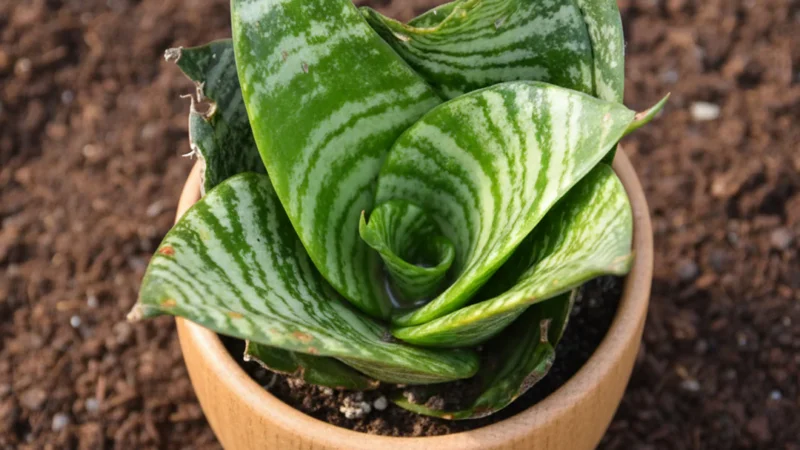
The plant most often linked to this claim is the snake plant, also known as mother-in-law’s tongue or Sansevieria trifasciata.
It is one of the most popular indoor plants because it is elegant, resistant, low-maintenance, and often associated with cleaner indoor air.
But here is the honest answer: a snake plant can improve the feeling of a room quickly, but it will not completely purify all the air in your home in just one day.
The real value of this plant is more practical. It can make your home feel fresher, greener, calmer, and more alive, especially when combined with ventilation, regular cleaning, and good indoor habits.
Why This Plant Went Viral
The snake plant became famous because of its connection to research on indoor plants and air pollutants.
A NASA technical report studied several common houseplants and tested their ability to remove chemicals such as benzene, trichloroethylene, and formaldehyde under controlled conditions. The snake plant was one of the plants included in that broader discussion about indoor plant performance.
That research helped create the idea of air-purifying plants.
Over time, however, many articles and social posts simplified the message too much.
A plant that shows pollutant-removal potential in a sealed test chamber is not the same as a plant that can clean an entire living room, bedroom, or apartment within 24 hours.
That difference matters.
A real home has open doors, windows, furniture, cooking smells, cleaning products, dust, fabrics, pets, and constant airflow.
So the snake plant is useful, but it should not be treated like a miracle air filter.
What Science Actually Says
The scientific picture is more balanced than the viral claim.
A major review published in Journal of Exposure Science & Environmental Epidemiology found that potted plants can remove volatile organic compounds, or VOCs, in small sealed chambers over hours or days.
But the same review also challenged the idea that ordinary potted plants meaningfully improve air quality in real buildings.
In practical terms, you would need a very large number of plants to match the effect of normal air exchange in most indoor spaces.
This does not mean plants are useless.
It means the benefit should be described accurately.
A snake plant can support a better indoor environment, but it does not replace fresh air, source control, ventilation, cleaning, dehumidification, or an air purifier when one is needed.
Why the Snake Plant Is Still Worth Having
Even without exaggerated claims, the snake plant is still one of the best indoor plants for many homes.
It is visually strong, beginner-friendly, and tolerant of imperfect conditions.
Penn State Extension describes snake plant as a forgiving, low-maintenance houseplant that enjoys bright indirect light but can tolerate low-light areas. It also recommends keeping the plant out of direct sun, which can burn the leaves.
That makes it especially useful for apartments, bedrooms, home offices, entryways, and living rooms.
Its upright leaves add height and structure without taking up much floor space.
In design terms, the plant can change the room almost immediately.
Even if it does not chemically “transform” the air in 24 hours, it can transform how the space feels.
Real Benefits of a Snake Plant
The first real benefit is easy care.
Snake plants do not demand constant attention, which makes them ideal for busy people or beginners.
The second benefit is adaptability.
They can tolerate different light conditions, although they usually look and grow best with bright, indirect light.
The third benefit is visual impact.
A healthy snake plant creates a cleaner, more intentional look in a room. Its vertical shape works well in corners, beside sofas, near desks, or next to windows.
The fourth benefit is atmosphere.
Plants can make a home feel softer, calmer, and more connected to nature.
That matters because people do not experience indoor spaces only through air chemistry. They also respond to light, color, texture, scent, layout, and visual comfort.
Can It Improve Air in 24 Hours?
It depends on what you mean by “improve.”
If you mean making the room feel fresher, more natural, and more pleasant, then yes, a snake plant can have an immediate effect.
If you mean removing all harmful pollutants from the air in 24 hours, then no, that claim is not realistic.
A better way to phrase it is this: the snake plant can contribute to a healthier indoor environment, but it is only one part of the equation.
To improve indoor air more effectively, open windows when outdoor conditions are safe, reduce harsh chemical products, control mold, clean dust, wash fabrics, avoid indoor smoking, and use proper ventilation.
Plants help most when they are part of a broader home-care routine.
Where to Place It
The snake plant works well in bright, indirect light.
A spot near a window with filtered light is often ideal.
It can also tolerate lower-light areas, which is why many people use it in bedrooms, offices, hallways, and shaded corners.
Avoid placing it in intense direct sunlight for long periods.
Also avoid dark rooms with no natural light at all. The plant may survive for a while, but it is unlikely to thrive.
A good rule is simple: if the room is bright enough for you to read comfortably during the day, the plant may adapt well.
How to Care for It
The most important rule is not to overwater.
Snake plants store water in their thick leaves, so they prefer drying out between waterings.
Before watering, touch the soil.
If it still feels damp, wait.
Use a pot with drainage holes and a well-draining soil mix.
Standing water around the roots can cause rot, especially indoors where airflow is limited.
Wipe the leaves occasionally with a slightly damp cloth.
Dusty leaves look dull and may receive less light.
You do not need complicated care products. Good light, careful watering, drainage, and patience are usually enough.
Is It Safe for Pets?
This is an important point.
The snake plant is not the best choice for homes with curious pets that chew plants.
The ASPCA lists snake plant as toxic to dogs and cats. It identifies saponins as the toxic principle and notes possible clinical signs such as nausea, vomiting, and diarrhea.
If you have a cat or dog, place the plant out of reach.
If your pet tends to chew leaves, consider a pet-safe alternative instead.
This does not mean every home with pets must avoid snake plants completely, but placement matters.
A beautiful plant is not worth a preventable emergency.
Best Rooms for This Plant
The bedroom is a popular choice because the snake plant has a calm, sculptural look.
The living room is another strong option because the plant adds height and makes the space feel more finished.
A home office can also benefit from it.
A plant near your desk can make the workspace feel less sterile and more comfortable.
Entryways work well if they receive some light.
The plant’s upright shape creates a clean first impression without needing a large footprint.
Bathrooms can work only if there is enough light and the room does not stay constantly wet.
Humidity is not usually the main problem. Poor drainage and low light are bigger concerns.
How Many Plants Do You Need?
One snake plant can improve the look and mood of a room.
But one plant should not be expected to clean the air in a measurable, whole-house way.
If your goal is visual freshness, start with one healthy plant in a visible spot.
If your goal is indoor air quality, focus first on ventilation, dust control, moisture control, and reducing pollutant sources.
Then add plants as a supportive layer.
This is the most honest and useful approach.
It gives the plant credit without turning it into a cure-all.
Common Mistakes
The most common mistake is overwatering.
Many snake plants die because their owners care too much, not too little.
Another mistake is using a pot without drainage.
Decorative pots are fine, but the inner pot should allow excess water to escape.
A third mistake is believing the plant can replace basic home maintenance.
If a room has mold, stale air, smoke, or strong chemical odors, a plant alone will not solve the problem.
Fix the source first.
Then use plants to improve comfort and atmosphere.
Final Thoughts
So, can this plant transform the air in your home in 24 hours?
Not in the exaggerated way the internet often suggests.
A snake plant can make your home feel fresher, calmer, and more inviting almost immediately.
It is easy to care for, beautiful, adaptable, and backed by some research showing pollutant-removal potential under controlled conditions.
But in real homes, its air-cleaning effect is limited compared with ventilation and proper indoor air management.
The best reason to own a snake plant is not because it promises a miracle.
It is because it brings together beauty, simplicity, resilience, and a subtle sense of freshness that makes a home feel better to live in.
5. FAQ
FAQ
What plant can transform the air in your home?
The plant most commonly linked to this claim is the snake plant, also called mother-in-law’s tongue or Sansevieria trifasciata.
It is popular because it is hardy, attractive, and associated with indoor air quality discussions.
Can a snake plant really purify indoor air?
A snake plant may remove some airborne compounds in controlled test conditions.
However, research suggests ordinary potted plants have limited impact on indoor air quality in real homes compared with ventilation.
Can it clean the air in 24 hours?
No single snake plant can realistically clean all the air in a home in 24 hours.
It can improve the visual feel of a room quickly, but it should not be treated as a full air-purification system.
Is snake plant good for bedrooms?
Yes, snake plant can work well in bedrooms if the room has enough indirect light.
It is compact, upright, and low-maintenance.
How often should I water a snake plant?
Water only when the soil is dry.
Snake plants are more likely to suffer from overwatering than underwatering.
Is snake plant toxic to cats and dogs?
Yes.
The ASPCA lists snake plant as toxic to both cats and dogs, with possible symptoms including nausea, vomiting, and diarrhea.
Continue lendo
Can This Plant Transform Your Home’s Air in 24 Hours?
The idea that this plant can transform the air in your home in 24 hours is attractive, especially…
Can This Plant Transform Your Home’s Air in 24 Hours?
The idea that this plant can transform the air in your home in 24 hours is attractive, especially…
Can This Plant Transform Your Home’s Air in 24 Hours?
The idea that this plant can transform the air in your home in 24 hours is attractive, especially…